

The Complete Guide to Planning a Brand Activation at a Major Sporting Event in Australia
- Britt Niven

- 4 days ago
- 6 min read
Brand activations at major sporting events represent one of the most powerful opportunities in experiential marketing. The combination of passionate audiences, high-energy environments, and extensive media coverage creates conditions that are almost impossible to replicate in any other setting, yet despite the enormous potential, many brands walk away from these events having spent significant budgets without generating the kind of impact they were hoping for. In most cases, the problem is not the event or the audience. It is the planning.
Having delivered brand activations across some of Australia's biggest sporting events including the WSL Championship Tour, major motorsports events, and national sporting finals, our team at Cielo House has developed a deep understanding of what separates a good activation from a great one. This guide is designed to share the practical insights we have gained from years of working in these environments, so that brands and marketing teams can approach their next sporting event activation with a clear framework and realistic expectations.
Understanding the Australian Sporting Event Landscape
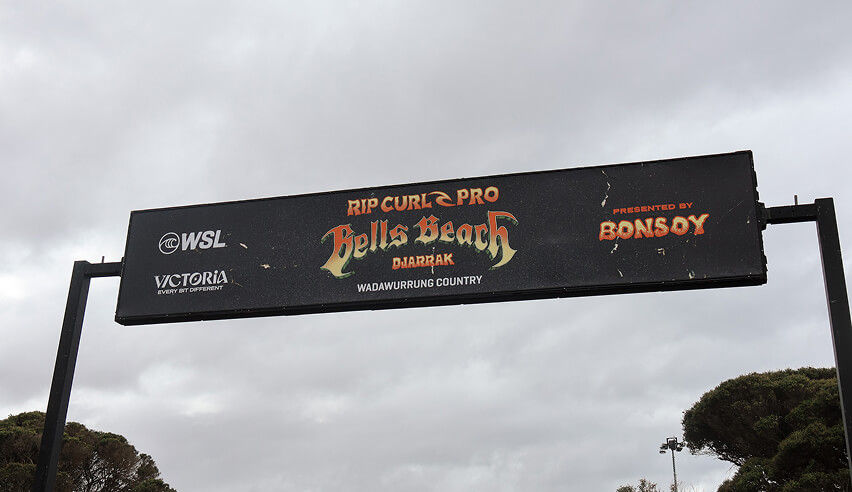
Australia's sporting event calendar offers a remarkable diversity of activation opportunities, from the raw coastal energy of the WSL Bells Beach Pro to the corporate sophistication of the Australian Open and the community passion of the AFL finals series. Each event brings its own audience profile, venue constraints, commercial structures, and cultural expectations, and understanding these nuances is essential to designing an activation that resonates rather than falls flat.
The first decision any brand needs to make is which event is the right fit for their objectives. This might sound obvious, but we regularly see brands choosing events based on the size of the audience alone, without considering whether that audience aligns with their target market or whether the event environment supports the kind of experience they want to create. A surf event attracts a fundamentally different audience than a horse racing carnival, and the activation strategy needs to reflect that from the very beginning.

Strategic Planning and Brief Development
The planning process for a major sporting event activation should begin a minimum of twelve to sixteen weeks before the event, and ideally longer for complex builds or first-time activations. The first step is developing a clear brief that articulates what the brand is trying to achieve, who they are trying to reach, what the budget parameters are, and what success looks like in measurable terms.
The most common mistake we see at the briefing stage is brands confusing a wishlist with a strategy. A good brief does not list every possible element that could be included in the activation. Instead, it defines the core objective and gives the agency enough context about the brand, the audience, and the constraints to develop a concept that will genuinely deliver against that objective. The best briefs we receive are typically one to two pages long and answer four questions clearly: what do we want people to think, feel, or do as a result of this experience? Who specifically are we trying to reach? What are the non-negotiable constraints we are working within? And how will we know if it worked?

Concept Development and Supplier Coordination
Once the brief is locked in, the concept development phase begins. This is where the creative team takes the strategic direction and translates it into a physical experience that works within the specific venue and event environment. At this stage, site visits become critical because sporting venues present unique constraints that are not always apparent from floor plans alone, things like sightline restrictions, noise limitations, weather exposure, shared infrastructure with other sponsors, and access routes that may change depending on the event schedule.
Supplier coordination is another area where many activations come unstuck. A major sporting event activation typically involves multiple specialist suppliers including structural builders, AV technicians, lighting designers, signage producers, furniture suppliers, and staffing agencies. Managing these suppliers effectively requires clear communication, detailed production schedules, and a single point of accountability for onsite coordination. We have found that assigning a dedicated production manager to each activation, regardless of its size, dramatically reduces the risk of miscommunication and ensures that every element arrives on time and in the right specification.
Permits and compliance requirements also need to be addressed during this phase. Every venue and event has its own set of rules around structural engineering certification, electrical safety, fire compliance, food handling, and insurance, and navigating these requirements takes time and specialist knowledge. Leaving compliance to the last minute is one of the fastest ways to derail an activation timeline and inflate costs.

Bump In, Execution, and Onsite Management
Bump in at a sporting venue is an entirely different proposition to bumping in at a convention centre or indoor event space. Access windows are often limited, you may be sharing loading docks with multiple other sponsors and event suppliers, and the venue operations team is managing a complex set of competing priorities. The agencies that consistently deliver smooth bump ins are the ones that invest the time upfront to confirm every logistical detail with the venue, including access times, vehicle restrictions, storage availability, power connection points, and any restrictions on construction noise or activity.
During the event itself, onsite management is about maintaining the quality of the experience across every hour of every day. This means having clear staffing rosters with adequate breaks, daily briefings to address any issues from the previous day, a maintenance schedule for the physical space, and a clear escalation process for any problems that arise. On a multi-day event, small issues that are not addressed quickly tend to compound, so having someone on the ground with the authority and knowledge to make decisions in real time is essential.
Post Event Reporting and Optimisation
The value of a post event report is directly proportional to the quality of the measurement framework you put in place before the event. If you defined clear objectives and built data capture into the activation design, your post event report should be able to demonstrate with confidence whether the activation achieved what it set out to achieve, and provide actionable insights that can be applied to future events.
A good post event report goes beyond reporting the numbers and provides genuine analysis of what worked, what did not, and why. It should include recommendations for future activations that are specific and actionable, not generic suggestions to do more of the same. The brands that treat post event reporting as a genuine learning exercise rather than a box ticking exercise are the ones that see consistent improvement in their activation performance over time. The investment in proper measurement also strengthens the business case for future activations, making it significantly easier to secure budget approval when you can demonstrate genuine return with data.

Looking Ahead
Brand activations at major sporting events in Australia continue to evolve rapidly, with audiences expecting more personalised, more immersive, and more genuinely valuable experiences than ever before. The brands and agencies that invest in thorough strategic planning, genuine measurement frameworks, and continuous improvement cycles will be the ones that consistently deliver activations that justify the investment and build lasting brand affinity with the audiences that matter most to their business.
If you are considering activating at a major sporting event and would like to discuss how Cielo House can support your planning and execution, we would love to hear from you. Get in touch with our team today!
FAQ - Brand Activations at Sporting Events in Australia
What is a brand activation at a sporting event?
A brand activation at a sporting event is a form of experiential marketing where brands create interactive experiences to engage live audiences. These activations are designed to increase brand awareness, drive audience engagement, and create memorable moments that connect with consumers. At Cielo House, we specialise in delivering brand activations in Australia that turn event audiences into real brand connections.
How do you plan a successful brand activation at a sporting event?
Planning a successful brand activation at a sporting event requires early strategy development, audience targeting, and clear objectives. Key steps include choosing the right event, developing a strong activation concept, coordinating suppliers, and ensuring all logistics and compliance are managed. At Cielo House, we focus on strategic planning to deliver seamless and high-performing event activations.
How do you measure ROI from brand activations and experiential marketing?
ROI from brand activations is measured through key performance indicators such as audience engagement, foot traffic, lead generation, social media reach, and content performance. A strong measurement framework should be set before the event to track results effectively. At Cielo House, we design brand activations with built-in data capture to ensure measurable results and continuous optimisation for future events.